
All Categories
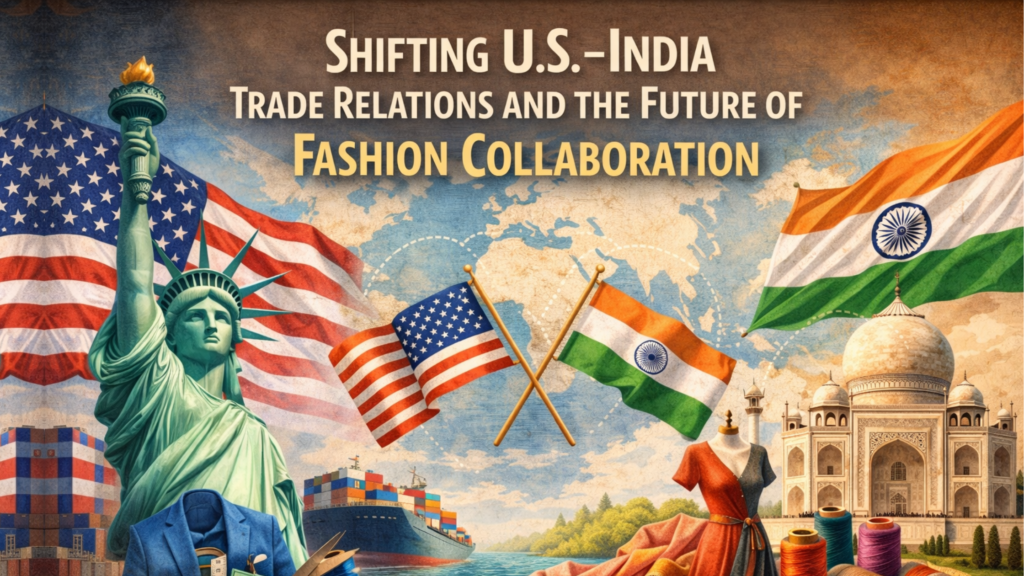
The landscape of global trade is ever-changing, and one of the most exciting and promising developments in recent years has been the evolving relationship between the United States and India. With both countries being key players in the world’s largest and fastest-growing markets, their trade dynamics are shifting in ways that could significantly impact a range of industries. One area where these shifts are particularly visible is in the world of fashion and textile industries.
The U.S.-India trade relations have grown in recent years, especially in areas like technology, agriculture, and textiles. Historically, India has been one of the largest suppliers of textiles and apparel to the U.S., with a robust manufacturing sector that spans everything from cotton to high-fashion garments. However, in recent years, the landscape of international trade has changed with new challenges and opportunities arising from geopolitical tensions, environmental concerns, and technological innovations.
One of the key elements driving these changes is India’s rapidly expanding middle class, which has led to increasing demand for both domestic and international fashion products. In parallel, the U.S. consumer market is becoming more diverse, with consumers increasingly seeking sustainable, high-quality, and ethically produced fashion. This is where the opportunity for collaboration between U.S. and Indian fashion industries comes into play.
Fashion, one of the world’s most dynamic industries, thrives on creativity, innovation, and global collaboration. As India’s textile and fashion industry grows in both scale and sophistication, it’s finding itself in an increasingly competitive position to meet the demands of both domestic and international markets. Meanwhile, the U.S. market is home to some of the most influential designers, retailers, and fashion-forward consumers. Together, the two countries have the potential to forge stronger trade relations and a more vibrant fashion ecosystem.
Sustainability has become a key concern in the fashion industry, and India’s textile sector is increasingly focused on eco-friendly and sustainable practices. Innovations in organic cotton farming, natural dyes, and water-saving textile production techniques are opening new avenues for collaboration with U.S. designers and brands looking to integrate sustainable practices into their collections. This shift aligns with growing consumer demand in the U.S. for fashion that is not only stylish but also environmentally conscious.
The rise of e-commerce is transforming the way fashion is bought and sold. Platforms like Texongo.com are driving the future of B2B fashion trade by connecting buyers and sellers in real-time, enabling smooth transactions, and offering new ways for both countries to tap into each other’s markets. Indian manufacturers and textile suppliers are increasingly leveraging digital platforms to showcase their products to global buyers, while U.S. brands are embracing technology to scale operations and reach new consumers.
One of the most exciting prospects in the future of U.S.-India fashion collaboration is the potential for cross-cultural design fusion. Indian textiles, known for their rich history of handwoven fabrics, embroidery, and craftsmanship, can merge with the cutting-edge styles and innovation of American fashion. Such collaborations are not only beneficial for both parties but also celebrate the diversity of each culture, bringing unique aesthetics and ideas to the global stage.
In light of recent global supply chain disruptions, U.S. companies are increasingly looking to diversify their supply sources. India, with its strong manufacturing base and competitive pricing, is in an ideal position to serve as a key supplier of raw materials, textiles, and finished garments to the U.S. This growing interdependence could lead to stronger, more resilient supply chains, benefitting both nations in terms of production efficiency and cost-effectiveness.
The future of U.S.-India fashion collaboration is promising, with both countries benefiting from the exchange of ideas, products, and technologies. As the demand for more sustainable, ethical, and diverse fashion grows, partnerships between U.S. designers and Indian textile manufacturers will continue to evolve and thrive. The role of digital platforms like Texongo.com will be crucial in helping facilitate these partnerships, providing businesses with the tools they need to navigate an increasingly complex and interconnected market.
As both nations continue to explore new trade agreements and strengthen their ties, the fashion industry stands at the crossroads of opportunity. With the right investments in sustainability, innovation, and collaboration, the future looks bright for U.S.-India fashion relations. And as more consumers demand transparency, quality, and responsibility from their favorite brands, we can expect to see even greater cooperation between these two fashion giants in the years to come.