
All Categories
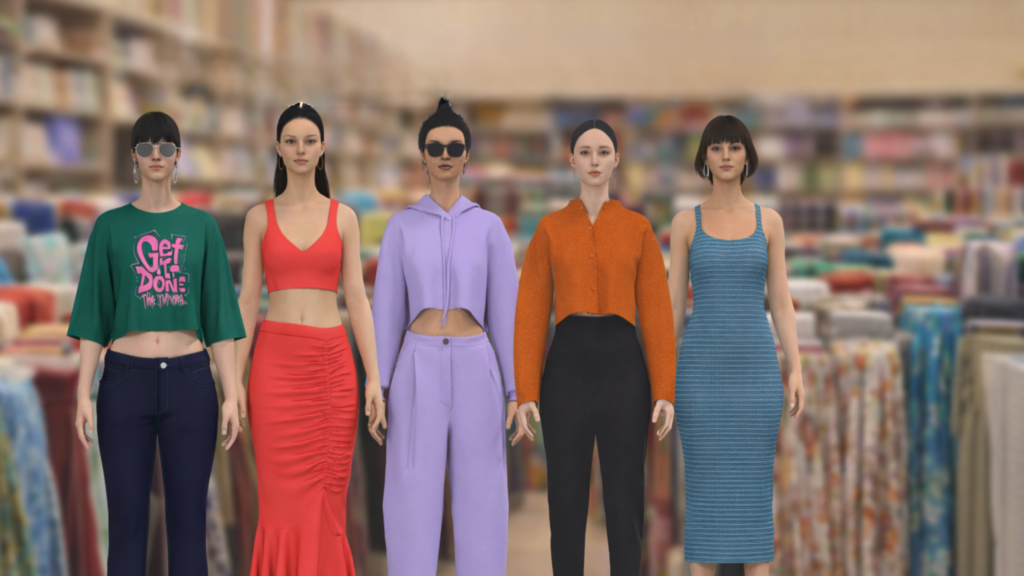
The intersection of technology and fashion has given rise to a new frontier: digital fashion. With advancements in 3D modeling, augmented reality (AR), and virtual reality (VR), designers are able to create fashion that exists only in the digital realm. Traditional Indian textiles, such as Single Jersey, Slub, French Terry, Fleece, and Jacquard, with their unique textures and patterns, are now being explored in this virtual space. But with this fusion of old and new, comes a debate that has been simmering for some time: is this blend a technological revolution, or does it risk cultural appropriation in the digital fashion world?
At Texongo.com, we believe that digital fashion can be a space where innovation and tradition coexist, but we must ask ourselves: Does this digital exploration of Indian textiles do justice to their cultural origins, or does it commodify and dilute their significance?
Digital fashion refers to clothing and accessories that are designed using 3D modeling software, which only exists in the virtual space. From avatars in video games to digital influencers and augmented reality experiences, the opportunities for digital fashion are limitless. As this space grows, it becomes more crucial to discuss how traditional fabrics and techniques from around the world can be represented in this new environment—especially when it comes to India’s rich textile heritage.
Indian textiles are known for their versatility and richness in texture and structure. While Single Jersey offers a smooth, stretchable feel, Slub fabric brings an irregular, textured finish that is characteristic of the handcrafted approach often seen in traditional Indian weaving. French Terry and Fleece offer soft, cozy options perfect for digital designs that appeal to comfort culture. Meanwhile, Jacquard fabric, with its intricate weave patterns, presents an exciting opportunity to digitally replicate the detailed designs typical of traditional Indian fabrics.
The digital representation of these fabrics offers a unique way to preserve and share their aesthetic value without the limitations of physical space, supply chains, and logistics. However, it also raises questions about whether this transition to the digital realm is done respectfully.
One of the primary benefits of digital fashion is its potential to promote sustainability. Traditional textile production, especially handwoven fabrics, often requires significant time and resources. Digitally replicating these materials eliminates the need for raw material extraction, reduces waste, and minimizes the carbon footprint associated with traditional manufacturing processes.
Additionally, digital fashion can democratize access to high-quality Indian textiles. A virtual garment made from Single Jersey, Jacquard, or Slub fabrics can be “worn” anywhere in the world, showcasing Indian craftsmanship to a global audience without the environmental cost of shipping or manufacturing. For many designers, this can be a way to celebrate and share Indian fabrics with a wider, international consumer base.
Digital tools allow for new interpretations of traditional Indian fabrics. Jacquard, with its intricate weaving techniques, can be reimagined with complex patterns and textures that may be difficult to achieve through traditional methods. French Terry and Fleece can be reinterpreted in virtual spaces as cozy, contemporary materials that blend traditional Indian aesthetics with modern trends.
At Texongo.com, we understand that digital fashion offers an opportunity to experiment with new styles and designs that reflect the fusion of cultures and technologies. But as this space grows, we must also consider the cultural implications of this digital experimentation.
Despite the potential for digital fashion to be a tool of cultural celebration and sustainability, there are valid concerns about whether it might unintentionally commodify or appropriate traditional Indian textiles. Cultural appropriation involves taking elements of a culture, often without permission or respect, and using them for profit—without acknowledging or compensating the source culture. In the case of digital fashion, these concerns become particularly relevant.
Textiles like Single Jersey, Slub, French Terry, and Fleece are often deeply tied to local communities and traditional artisans. When these fabrics are digitized for commercial gain, there is a risk that the digital version may be stripped of its cultural significance. For instance, a digital version of Jacquard fabric might be used in a virtual fashion collection, but the story behind its intricate designs may be lost, reducing the textile to a mere aesthetic.
Another issue that arises is the possibility that designers or companies outside the traditional textile communities may profit from these fabrics without recognizing the artisans and their contributions. When traditional textiles are digitized and sold as part of a larger collection or game, it’s essential that those who created these designs, whether through weaving, dyeing, or printing, are compensated for their work. Otherwise, digital fashion risks becoming a space where the work of indigenous and traditional artisans is exploited for commercial gain.
To ensure that the fusion of Indian textiles with digital fashion remains respectful and ethical, there are several steps that can be taken by designers, brands, and consumers:
The key to ensuring that digital fashion respects the cultural roots of Indian textiles lies in collaboration. Designers should work closely with traditional artisans who produce Jacquard, French Terry, Single Jersey, and other textiles to ensure that the digital representation remains true to its cultural origins. This collaboration can help preserve the meaning and history of these fabrics while showcasing them in new, exciting ways.
Designers, digital artists, and platforms must educate consumers about the cultural significance behind the fabrics they are engaging with. When a virtual garment made from Slub or Fleece is displayed, it should come with a brief explanation of its cultural context and history. This helps elevate the consumer’s experience beyond just aesthetics, creating a more meaningful interaction with the fabric.
Artisans who have contributed to the designs or techniques that are being digitally replicated should receive proper credit and compensation. Licensing agreements, royalties, or direct collaborations are ways to ensure that digital fashion benefits the communities that produce these textiles.
At Texongo.com, we believe in the transformative power of digital fashion when used ethically and responsibly. The fusion of traditional Indian textiles like Single Jersey, Jacquard, Slub, French Terry, and Fleece with digital tools offers a unique opportunity to celebrate the artistry and craftsmanship of Indian textiles on a global scale. However, as with all innovation, it is essential to approach this fusion with respect, awareness, and collaboration.
Digital fashion can indeed be a space for technological revolution, but it must also honor the cultural heritage that inspired it. By working together, promoting sustainability, and ensuring fair practices, we can ensure that digital fashion serves as a celebration of tradition, rather than a form of exploitation.
What are your thoughts? Is the fusion of traditional Indian textiles with digital fashion a promising step forward, or does it risk overshadowing the cultural significance of these textiles? Let us know in the comments below!